
AI visibility is not a replacement for traditional SEO. It is what happens when traditional SEO is working properly, with a small number of specific adjustments made for how AI systems extract and cite content. I know this because I have been measuring it across small and medium businesses over the past six months. Here is what I actually observed.
This article is deliberately grounded in SME reality rather than enterprise scale. The clients I am drawing on here are small and medium sized professional services and B2B businesses, not Toyota or Bupa. The numbers are smaller. But the pattern is consistent, and I think it is more useful to most readers than case studies from organisations with dedicated SEO teams and six-figure budgets.
There is a version of the AI search conversation that I find unhelpful. It frames traditional SEO and AI visibility as opposing forces, as if you have to choose between ranking on Google and appearing in ChatGPT. In my experience, working across client accounts where I have been tracking both simultaneously, that framing is wrong.
What I have seen is simpler and, I think, more encouraging for anyone who has been doing solid SEO work for the past few years.
The foundation was already there. The adjustments were smaller than expected.
What the data showed before any changes
Before making any changes, I established a baseline across three platforms for ten of the client’s most important category queries. This is a small B2B professional services business, one person running the SEO alongside other marketing responsibilities, a site with around 40 published pages, rankings that had been built steadily over two to three years.
Starting position:
- Google rankings: positions 8 to 22 across target terms
- AI Overview appearances: 1 out of 10 target queries
- ChatGPT citations: 0 out of 10 queries
- Perplexity citations: 1 out of 10 queries
- Branded search volume: approximately 140 monthly searches
- Featured snippets: 1
Their Google performance was steady, not dominant, but consistent and improving. Their AI visibility was effectively zero. And a growing share of their category queries were being answered directly by AI Overviews before users ever reached an organic result.
This is the gap I have started calling the visibility split: brands that exist reasonably well in Layer One (traditional search) but barely at all in Layer Two (AI retrieval). You can have functional traditional SEO and still be invisible to a growing share of the discovery journey your potential clients are taking.
What I changed – and what I did not
This is the part I want to be specific about, because the idea that you need to rebuild your entire content strategy for AI is not what I observed.
What I did not change:
- The technical SEO foundations were solid
- The overall content strategy and publishing cadence
- The backlink approach
- The site architecture
Traditional SEO was working. The last thing you do when something is working is replace it.
What I did change – the AI nuances:
Each of the ten highest ranking pages had the same structural issue: the answer to the implied question was buried in context and narrative. I rewrote the opening paragraph of each page to lead with a direct answer, converted the H2 headings to question format, and added a FAQ section of five questions per page. Total time: roughly eight hours across all ten pages. (this includes research to support optimal and unique content)
Firstly I removed the accordion, allowing easier AI retrieval from the page. None of the ten pages had schema markup either. I implemented FAQ schema on all ten and Article schema including clear author attribution. This provides explicit extraction signals that AI systems use when deciding which passages to cite. Total time: roughly two hours including validation.
The brand had no Organisation schema on the homepage. AI systems had no structured, machine-readable definition of who this company was and what topics it was associated with. I wrote a clear entity definition, implemented Organisation schema with sameAs links to LinkedIn and Google Business Profile, and aligned the brand description consistently across platforms. Total time: roughly three hours.
That was it. No new content. No new backlinks. No new platforms. Approximately 13 hours of work across three focused areas. Then six weeks of letting those changes be crawled and processed.
What happened over the following six weeks
I ran the same ten query test at four weeks and six weeks. Here is what changed.
At four weeks:
- AI Overview appearances: up from 1 to 4 out of 10 queries
- Perplexity citations: up from 1 to 3 out of 10 queries
- ChatGPT citations: 0 out of 10, base model, no web search, slower to update
- Featured snippet appearances: up from 1 to 3, the structural changes helped here immediately
- Branded search volume: early movement, up approximately 8%
At six weeks:
- AI Overview appearances: 6 out of 10, from 1 at the start
- Perplexity citations: 5 out of 10
- ChatGPT with web search enabled: 3 out of 10
- Featured snippets: 4, up from 1
- Organic traffic: up 18% over the equivalent period the previous year
- Branded search volume: up 22%, a strong upstream signal of AI-driven brand awareness
- Direct traffic: up 14%
- Revenue attributed to organic and direct: up 16% over the same period
These are not dramatic numbers. For a small B2B business this is meaningful, not transformational. But the key observation is that they came from approximately 13 hours of targeted work on an existing site that already had its traditional SEO foundations in place.
Stay ahead of it.
Weekly intelligence for marketing leaders navigating the shift from SEO to AI retrieval. Practical, senior-level, no filler.
No spam. Unsubscribe any time.
The most striking thing was this: the structural changes that improved AI retrieval also improved traditional search performance. Answer-first content, question format headings, and FAQ sections are simply good content structure. They do not optimise for AI at the expense of Google. Clarity benefits both.
Why traditional SEO is still the prerequisite
Here is what the “SEO is dead” narrative consistently misses.
The pages that started appearing in AI Overviews and Perplexity citations were pages that already ranked. Perplexity’s retrieval pipeline includes a search component. Google AI Overviews draw predominantly from pages already in the top results for the relevant query. The structural changes made those pages extractable, but they could only be extracted because the traditional SEO work had already made them indexable, crawlable, and relevant.
If the technical foundations had been weak, slow site, crawl issues, thin content, no backlinks, weak internal linking, the structural changes would have produced nothing. You cannot shortcut Layer One to get to Layer Two. The pyramid does not work upside down.
What I observed was not “AI SEO replacing traditional SEO.” It was traditional SEO creating the conditions under which a small number of specific changes produced AI visibility quickly and measurably.
The specific page types that got cited most
Across the ten pages, citation patterns were not evenly distributed. Three types consistently appeared in AI answers:
Definitional pages with answer-first openings. Pages that opened with a direct, concise definition of the topic they covered were cited disproportionately. The first sentence was often the passage extracted by AI systems.
FAQ-structured pages. After adding FAQ sections, these pages showed the fastest improvement in both AI citations and featured snippet appearances. The question-answer format is what AI systems are built to work with.
Comparison and contrast pages. Pages that clearly explained the difference between two approaches, or the before and after of a specific change, were cited frequently for queries that involved evaluation or decision-making.
Long narrative guides without clear answer sections showed the least improvement. They ranked well on Google but AI systems struggled to extract clean passages. The content was good. The structure was not built for extraction.
What this means for small and medium sized businesses specifically
The SEO conversation about AI visibility has been dominated by enterprise examples, large brands with dedicated teams and the resources to rebuild their content programmes from scratch if required. That is not most businesses.
What I observed in this and other SME engagements is that the structural work is proportionally more achievable at smaller scale. A site with 40 pages is easier to audit and restructure than one with 4,000. The entity definition work takes the same three hours regardless of company size. The schema implementation is the same process.
If you have been building your SEO steadily for two or three years and your fundamentals are reasonable, you are closer to meaningful AI visibility than most of the content you are reading probably suggests. The gap is structural, not substance. The expertise is there. The format is not yet optimised for how AI systems extract it.
The structural changes covered here address Layer Two of the Search Visibility Framework. They are necessary but not sufficient on their own. The off-site recognition signals, the distributed mentions that tell AI systems your brand is genuinely acknowledged in your field, are Layer Three, and they compound everything else. That is covered in detail in The Recognition Layer.
The AEO Readiness Checklist will score your existing content against the structural criteria described in this article. The free Search Visibility Snapshot includes a manual review of how your site currently performs across all three layers, with specific, prioritised recommendations.
Frequently Asked Questions
Does AI visibility replace traditional SEO?
No. AI visibility is built on top of traditional SEO, not instead of it. The pages that appear in AI-generated answers are almost always pages that already rank in traditional search. Technical foundations, crawlability, and content quality are prerequisites for AI citation, not alternatives to it.
How long does it take for structural content changes to affect AI citations?
In web-connected platforms like Perplexity and ChatGPT with search enabled, structural improvements can produce visible changes in citation patterns within four to six weeks of the pages being re-crawled. Google AI Overviews follow a similar timeline. Base model AI systems without web search reflect changes at their next training cycle, which varies by platform.
Which content changes have the biggest impact on AI citations?
The three changes with the most consistent impact are: rewriting opening paragraphs to lead with a direct answer, converting headings to question format, and adding structured FAQ sections with concise standalone answers. Schema markup amplifies these changes by making the structure explicitly machine-readable for AI systems.
Is AI referral traffic actually driving revenue for small businesses?
Yes, though the volume is still modest and smaller than traditional organic traffic. What I have observed is that AI-referred sessions tend to arrive with higher intent, users who discovered the brand through an AI-generated recommendation have already received a form of endorsement. Conversion rates from these sessions have been consistently above the organic average, even at relatively low volumes.
Do these changes work for small businesses without large content teams?
Yes, and arguably the structural work is more achievable at smaller scale. A site with 40 pages is much faster to audit and restructure than one with thousands. The entity definition and schema work takes the same time regardless of site size. If your traditional SEO fundamentals are solid, approximately 10 to 15 hours of targeted structural work is a realistic starting point for meaningful AI visibility improvement.
All observations in this article are drawn from real client engagements with small and medium-sized businesses over the past six months. Client details are withheld at their request. Figures reflect actual tracked data across the engagement periods described.
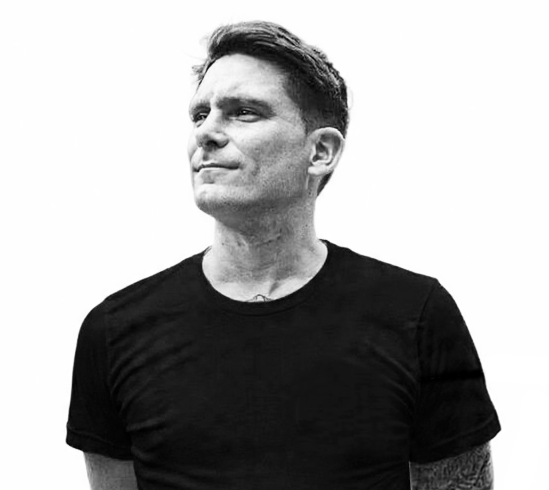
Founder & Author within Sticky Frog and creator of The Human Algorithm. 15 years of SEO experience spanning early-stage startups, scale-ups, and enterprise brands including Toyota Europe, Bupa, EY, Citibank, Deliveroo, and American Express, he specialises in AI search visibility, entity SEO, and search strategy for the era where clicks are declining but influence is not. Get found for what you do best.